
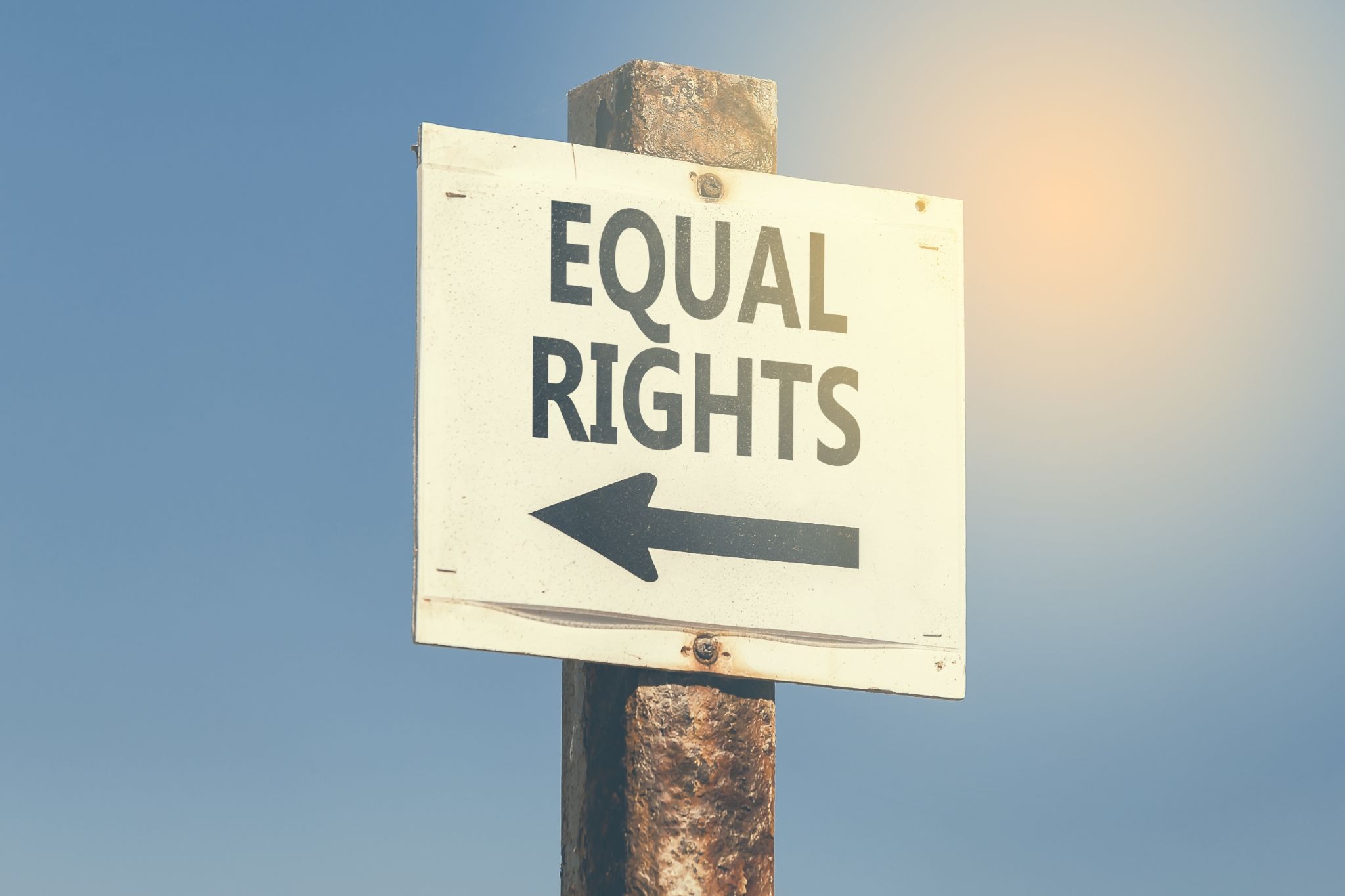
Human rights law reforms play a vital role in shaping a fair and just society. They serve as a protective shield for marginalized communities, ensuring their voices are heard and their rights are respected. These reforms address systemic inequalities and provide a framework for justice. Understanding how these laws function helps us appreciate their significance in our society. This blog will explore the impact of human rights law reforms on marginalized communities, focusing on problem-solving, common mistakes, and valuable insights gained through experience.
Importance of Awareness in Human Rights
Awareness of human rights is crucial for both individuals and communities. Understanding one’s rights empowers people to advocate for themselves and others. When individuals are informed about their rights, they are more likely to stand up against injustices and seek help when needed. Awareness initiatives can bridge the gap between law and practice, making legal protections more effective.
The Role of Advocacy Groups
Advocacy groups play a significant role in promoting human rights law reforms. These organizations work tirelessly to raise awareness, educate the public, and lobby for change. By mobilizing communities, they amplify voices that might otherwise go unheard. Their efforts can lead to meaningful reforms that address the unique needs of marginalized groups.
Understanding the Landscape of Marginalized Communities
Marginalized communities encompass a wide range of groups who often face discrimination and exclusion. This includes women and men who encounter various challenges within society. Women may face issues such as gender-based violence, unequal pay, and limited access to leadership roles. Men may also experience discrimination, particularly in contexts where traditional roles are challenged or where they face stigma regarding mental health and caregiving responsibilities. Each group experiences unique challenges that can hinder their access to essential services and opportunities.
Intersectionality in Marginalization
Intersectionality is an important concept when discussing marginalized communities. Individuals may identify with multiple marginalized identities, which can compound their experiences of discrimination. For instance, a woman of color may face both gender and racial discrimination, leading to unique challenges that require comprehensive solutions. Understanding intersectionality is vital for creating effective reforms that consider the complexities of people’s lives.
Access to Resources
Access to resources is another critical issue for marginalized communities. Inequitable access to education, healthcare, and economic opportunities can perpetuate cycles of poverty and exclusion. Addressing these disparities is essential for empowering individuals and ensuring that they can fully participate in society. Human rights law reforms can help dismantle barriers that hinder access to these vital resources.
The Role of Human Rights Law Reforms
Human rights law reforms are designed to protect individuals from abuse and discrimination. They establish legal standards that promote equality and justice. Throughout history, we have seen significant milestones in human rights law, each responding to societal injustices. From the suffrage movement to labor rights, these reforms reflect society’s evolving understanding of human dignity.
Key Legislative Milestones
Some key legislative milestones have shaped human rights law over the years. Landmark laws, such as the Civil Rights Act and various gender equality acts, have been instrumental in advancing the rights of marginalized groups. These laws not only provide protections but also set a precedent for future reforms, emphasizing the importance of equality and justice.
The Impact of International Treaties
International treaties, such as the Universal Declaration of Human Rights, lay the groundwork for national reforms. These treaties establish global standards for human rights that countries are encouraged to adopt. By aligning national laws with international standards, countries can strengthen their commitment to protecting the rights of marginalized communities.
Problem-Solving: Addressing Systemic Issues
One of the most pressing challenges facing marginalized communities is systemic inequality. This inequality manifests in various forms, such as inadequate access to healthcare, education, and fair employment opportunities. Understanding these systemic barriers is crucial for effective reform. It allows advocates and lawmakers to pinpoint where changes are needed most.
Identifying Systemic Barriers
Identifying systemic barriers requires careful analysis and research. Advocates must gather data and listen to the experiences of marginalized individuals to understand the challenges they face. This knowledge is vital for crafting targeted reforms that address specific issues, ensuring that efforts are not misdirected or superficial.
Collaborative Solutions
Collaborative solutions are essential for addressing systemic issues. Engaging multiple stakeholders, including government agencies, non-profits, and community members, can lead to more comprehensive and effective reforms. Collaboration fosters a sense of shared responsibility and encourages innovative approaches to overcoming obstacles faced by marginalized communities.
Common Mistakes After the Beginner Stage
As organizations and advocates work toward implementing human rights law reforms, they often encounter common mistakes. One significant issue is the misinterpretation of human rights laws. Sometimes, advocates may assume that simply having laws in place is enough to create change. However, without proper enforcement and understanding, these laws may have a limited impact. It is crucial to ensure that all stakeholders understand the laws and their implications.
Underestimating Enforcement Challenges
A common pitfall is underestimating the challenges involved in enforcing human rights laws. Even with solid legal frameworks, the lack of political will or resources can hinder enforcement efforts. Advocates must recognize these barriers and work to address them through advocacy, education, and collaboration with law enforcement agencies.
Failing to Measure Impact
Another mistake is failing to measure the impact of reforms. Without evaluation, it is difficult to determine whether changes are effective or if they need to be adjusted. Establishing metrics to assess the success of reforms can help advocates understand what works and what does not, allowing for continuous improvement in their efforts.
Experience-Based Insights
Insights from individuals and organizations that have successfully implemented human rights law reforms can provide valuable lessons. Successful reforms often share common factors, such as strong leadership and a commitment to inclusivity. For instance, countries that have seen significant progress in human rights protections often prioritize collaboration among various stakeholders, including government agencies, non-profit organizations, and community groups. This collaborative approach ensures that diverse perspectives are considered when crafting reforms.
The Importance of Grassroots Movements
Grassroots movements have been instrumental in driving successful reforms. When communities mobilize and advocate for their rights, they can create significant pressure for change. Grassroots efforts often highlight the needs and experiences of marginalized groups, ensuring that reforms are grounded in real-world realities.
Learning from Failures
Learning from failures is just as important as celebrating successes. Reforms that do not achieve their intended outcomes provide valuable lessons for future efforts. Analyzing what went wrong and why can help advocates avoid similar pitfalls in the future and refine their approaches to reform.
The Future of Human Rights Law Reforms
Looking ahead, emerging trends in human rights protections will shape the future of human rights law reforms. Increasing awareness of issues such as climate change is leading to new discussions about the rights of marginalized communities. As these issues gain prominence, it is essential for human rights law reforms to address them effectively.
Climate Justice and Human Rights
Climate justice is becoming an increasingly important aspect of human rights discussions. Marginalized communities are often the most affected by environmental degradation and climate change. Future reforms must recognize the intersection of environmental and human rights issues, ensuring that protections are extended to communities vulnerable to climate impacts.
The Role of Technology in Advocacy
Technology plays a crucial role in contemporary advocacy efforts. Social media and online platforms enable advocates to raise awareness, mobilize support, and share information quickly. Embracing technology can enhance outreach and engagement efforts, making it easier for marginalized communities to connect and advocate for their rights.
Conclusion
Human rights law reforms are essential for protecting marginalized communities from discrimination and injustice. By addressing systemic inequalities and providing a legal framework for accountability, these reforms empower individuals to advocate for their rights. However, advocates must learn from past mistakes and engage with communities to create meaningful change. As we look to the future, ongoing collaboration and adaptation will be key to ensuring that human rights law reforms continue to evolve and serve those most in need. Together, we can work towards a more just and equitable society where every individual’s rights are respected and upheld.