
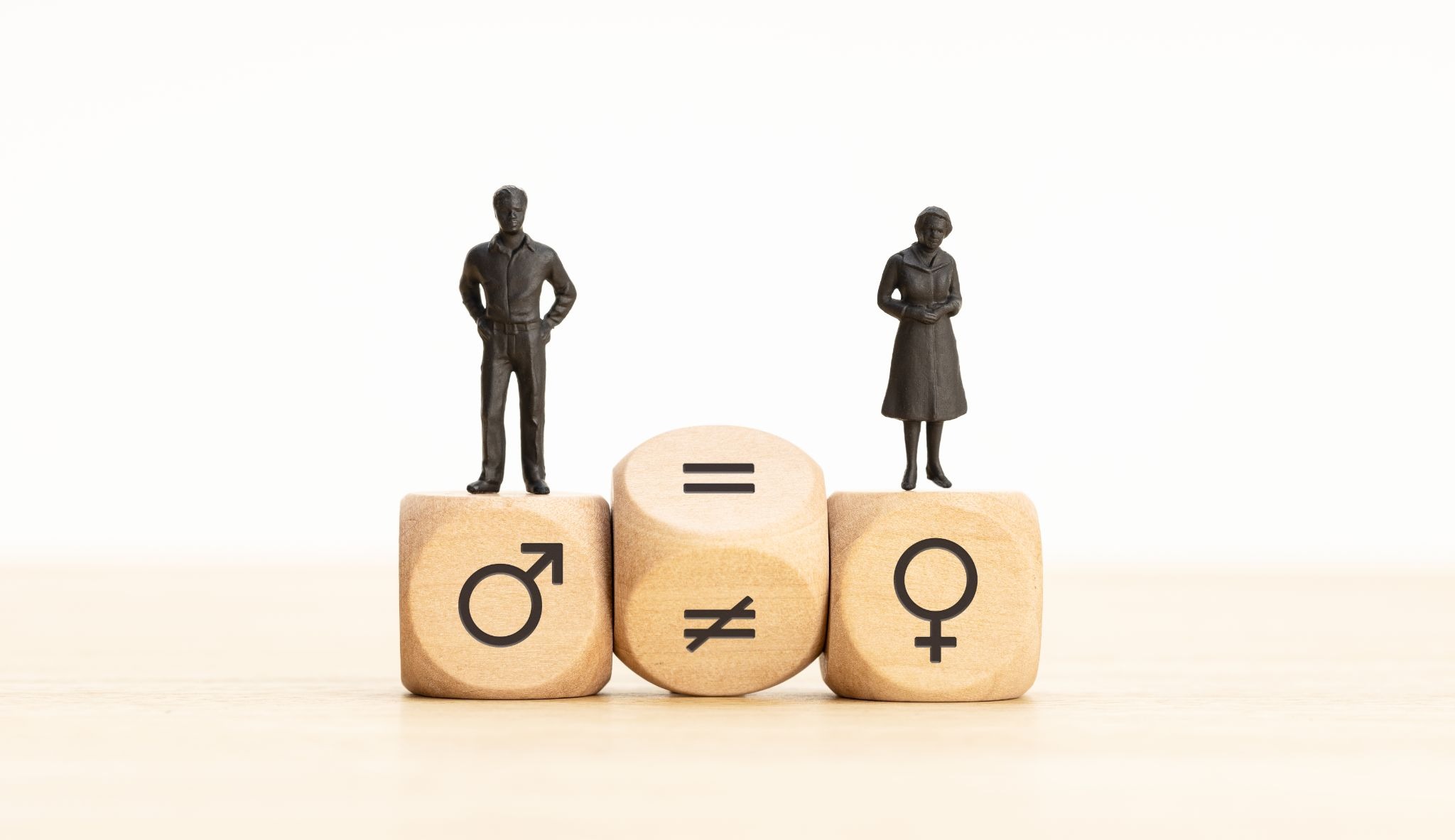
Gender equality remains a critical issue affecting societies around the world. Women and marginalized genders still face disparities in income, leadership opportunities, education, and healthcare access. Beyond ethical considerations, inequality hinders economic growth and social development. Tackling these challenges requires strategic, multi-faceted approaches that address systemic barriers while empowering individuals and communities.
Over the years, several strategies have emerged as effective tools for promoting gender equality. By combining policy reforms, education, economic initiatives, advocacy, and technological innovation, governments, organizations, and communities have achieved measurable progress. This article explores the strategies that have proven successful globally, highlighting practical insights and examples that demonstrate how sustained efforts can drive meaningful change.
Policy and Legal Reforms for Gender Equality
Strong policies and legal frameworks lay the foundation for gender equality. Governments play a crucial role by enacting laws that protect against discrimination, ensure equal opportunity, and promote participation in leadership roles. Legal reforms not only establish rights but also signal societal commitment to equality, encouraging cultural and institutional change.
Anti-Discrimination Laws and Equal Opportunity Policies
Anti-discrimination legislation addresses workplace bias, unequal pay, and limited access to education or professional advancement. Countries that implement robust equal opportunity laws often see improved participation of women in the workforce and higher educational attainment for girls. For instance, legal frameworks that mandate equal pay and prohibit gender-based workplace discrimination have significantly reduced wage gaps in several European nations. Effective enforcement is key, as laws alone are insufficient without monitoring and accountability mechanisms.
Gender Quotas and Representation Initiatives
To increase female participation in politics and decision-making, many countries have introduced gender quotas. These mandates ensure that women occupy a set percentage of seats in parliaments, corporate boards, and senior management positions. Evidence shows that quotas not only improve representation but also influence policy decisions, resulting in more inclusive governance. In Rwanda, for example, gender quotas have contributed to one of the highest percentages of women in parliament globally, demonstrating the potential of structured interventions.
Education and Awareness Programs
Education is a powerful tool for promoting gender equality. Access to quality education equips women and girls with knowledge, skills, and confidence, enabling them to challenge traditional roles and pursue diverse opportunities. Beyond formal schooling, awareness programs in communities and workplaces foster cultural shifts that support equality.
School and Community-Based Programs
Programs that encourage girls’ enrollment in schools, especially in STEM fields, have shown lasting impact. Mentorship initiatives, role models, and community engagement help break down stereotypes and inspire girls to pursue careers traditionally dominated by men. In India and Kenya, targeted school programs and scholarships for girls in science and technology fields have led to measurable improvements in educational outcomes and career readiness.
Public Awareness Campaigns
Societal attitudes play a significant role in maintaining or dismantling inequality. Public awareness campaigns, delivered through media, social platforms, and community workshops, challenge gender norms and highlight the value of equality. Campaigns emphasizing shared household responsibilities, female leadership, and equal opportunities contribute to cultural shifts that complement policy measures. Countries that invest in sustained public awareness campaigns often see long-term improvements in societal perceptions and behaviors.
Economic Empowerment and Workforce Inclusion
Economic empowerment is both a driver and outcome of gender equality. When women have access to income-generating opportunities, they gain financial independence, decision-making power, and social influence. Policies and programs that foster inclusion in the workforce contribute to broader societal and economic development.
Microfinance and Entrepreneurship Programs
Microfinance initiatives provide small loans to women entrepreneurs, enabling them to start businesses and improve household income. Paired with training in financial literacy and business management, these programs have successfully enhanced economic self-sufficiency. In countries such as Bangladesh, microfinance programs targeting women have improved family welfare, education for children, and community leadership among female participants.
Workplace Flexibility and Inclusive Practices
Inclusive workplace policies, including flexible schedules, parental leave, and mentorship programs, allow women to participate fully without sacrificing family responsibilities. Equal pay initiatives and transparent promotion pathways reduce systemic barriers, creating an environment where talent, rather than gender, determines success. Companies that adopt inclusive practices report higher productivity, employee retention, and innovation. Corporate responsibility programs often reinforce national efforts, demonstrating that workplace inclusion is both ethical and strategic.
Global Partnerships and Advocacy Networks
No single entity can achieve gender equality alone. Global cooperation and advocacy networks facilitate knowledge sharing, resource mobilization, and coordinated action across borders. Collaborative frameworks support national and local initiatives while amplifying the voices of marginalized communities.
International Frameworks and Sustainable Development Goals
The United Nations’ Sustainable Development Goal 5, focused on gender equality, sets clear global targets and benchmarks. SDG 5 encourages nations to implement policies promoting education, equal employment, and political representation for women. Aligning national strategies with international commitments fosters accountability, encourages funding, and facilitates measurement of progress over time. Countries reporting progress against SDG indicators often see improvements in women’s health, education, and leadership roles.
Grassroots Advocacy and Community Mobilization
Local organizations and activists drive cultural and policy change from the ground up. Community-led initiatives often address context-specific barriers and empower individuals to challenge discrimination directly. Successful grassroots campaigns have influenced legislation, increased school enrollment for girls, and reduced gender-based violence. The combination of local action and global frameworks creates a powerful multiplier effect, ensuring policies are implemented and sustained effectively.
Technology and Innovation in Gender Equality
Technology offers new avenues to promote equality by increasing access, visibility, and opportunity. Digital platforms can facilitate education, skill-building, networking, and safety for women worldwide.
Online learning platforms provide flexible education for women who may face barriers attending traditional schools. Mobile applications connect women entrepreneurs to markets, mentors, and resources, while digital reporting tools help combat harassment and violence. In regions with limited infrastructure, technology bridges gaps in information, training, and advocacy, enabling broader participation in economic, social, and political spheres.
Measuring Impact and Continuous Improvement
Successful strategies rely on evidence-based approaches and continuous evaluation. Monitoring programs and collecting data on enrollment, employment, leadership representation, and societal attitudes allow policymakers and organizations to refine interventions. Lessons learned from pilot programs and comparative studies help optimize resource allocation and scale effective initiatives.
Evaluating outcomes also ensures accountability, motivating governments, corporations, and NGOs to maintain momentum and adapt strategies in response to changing social or economic conditions. Continuous improvement prevents stagnation and ensures that gender equality efforts remain relevant and impactful over time.
Conclusion
Promoting gender equality requires a comprehensive, multi-dimensional approach. Policies and legal reforms establish rights and protections, while education and awareness programs challenge norms and empower individuals. Economic empowerment initiatives and workplace inclusion increase financial independence and participation, and global partnerships ensure knowledge sharing and resource mobilization. Technology expands access and visibility, while continuous evaluation and adaptation strengthen long-term impact.
Globally, these strategies demonstrate that meaningful progress is achievable when legal, social, economic, and technological efforts work in harmony. Gender equality is not only a moral imperative but a catalyst for sustainable growth and innovation. By combining proven strategies with sustained commitment, societies can overcome systemic barriers and create environments where all individuals have equal opportunity to thrive.
Sustained efforts, collaboration across sectors, and evidence-based strategies remain key to promoting gender equality worldwide. Each success story, whether in legislation, education, economic empowerment, or advocacy, underscores the potential for lasting change when strategy meets action.