
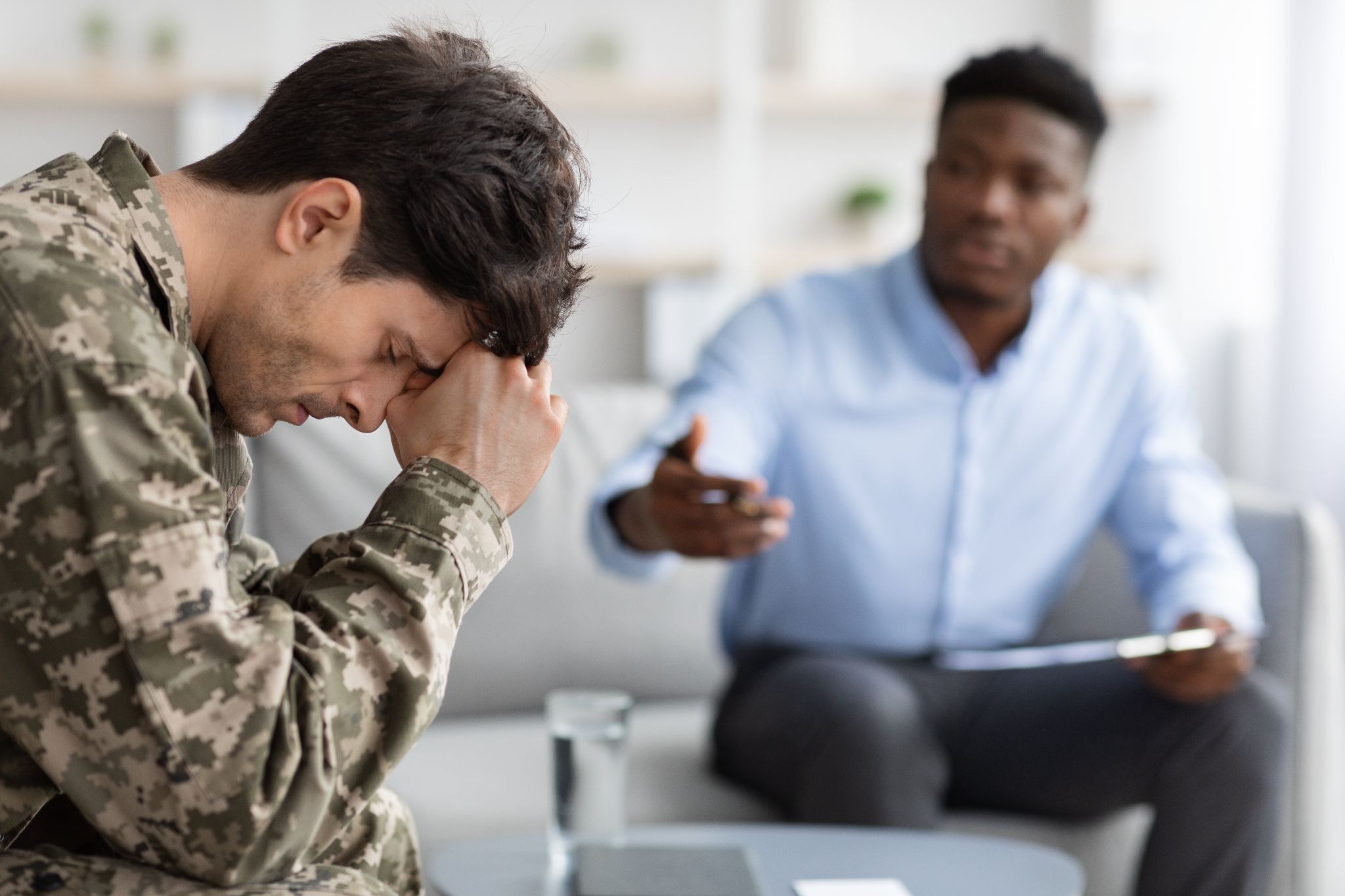
Conflict and disasters leave deep scars that go far beyond physical damage. Homes may be rebuilt and roads repaired, but emotional wounds often remain hidden. Survivors frequently carry fear, grief, and confusion long after the event has passed. These feelings can affect relationships, work, and daily life in ways that are difficult to manage alone.
This is where trauma recovery programs become essential. These programs provide structured support that helps people process painful experiences and rebuild their emotional strength. By combining counseling, community care, and practical coping tools, trauma recovery programs guide survivors toward stability and hope after some of the hardest moments of their lives.
Understanding Trauma After Conflict and Disaster
What Psychological Trauma Looks Like
Psychological trauma occurs when a person experiences events that feel overwhelming or life-threatening. Conflict, natural disasters, and displacement can shake a person’s sense of safety and control. Survivors may relive the event through flashbacks, disturbing dreams, or sudden fear triggered by reminders. Recognizing these symptoms helps survivors and caregivers understand that support is needed and that healing is possible.
Common Emotional and Behavioral Effects
Trauma can affect emotions, thoughts, and behavior in many ways. Some survivors feel constant anxiety or sadness, while others become numb or disconnected from their surroundings. It may become difficult to concentrate, trust people, or enjoy activities that once brought happiness. Children often show trauma differently from adults. They might become withdrawn, aggressive, or fearful of separation from caregivers. Adults may isolate themselves or struggle to maintain routines. These changes highlight the importance of targeted support through trauma recovery programs.
What Trauma Recovery Programs Are
Definition and Core Purpose
Trauma recovery programs are organized efforts designed to help individuals recover from the psychological effects of extreme events. Their main goal is to restore emotional balance and help survivors regain control over their lives.
Who Delivers These Programs
Trauma recovery programs are usually delivered by mental health professionals, humanitarian workers, and trained volunteers. Psychologists, social workers, and counselors often lead therapy sessions and provide guidance. Community organizations also play an important role. They help connect survivors with services and ensure that support is accessible and culturally appropriate. This collaboration makes trauma recovery programs more effective and sustainable.
The Immediate Support Trauma Programs Provide
Creating Safe and Supportive Spaces
After a disaster or conflict, survivors often feel uncertain about their safety. Trauma recovery programs focus first on creating spaces where individuals feel protected and respected. These spaces may include community centers, shelters, or counseling rooms. When survivors feel safe, they are more willing to share their experiences and emotions.
Psychological First Aid
Psychological first aid is one of the earliest forms of support provided after traumatic events. Trained responders listen carefully, offer reassurance, and help survivors identify their immediate needs. This approach does not involve deep therapy at first. Instead, it focuses on comfort, information, and connection to resources.
Stabilizing Emotional Distress
The days and weeks following a disaster can be emotionally overwhelming. Survivors may feel panic, anger, or confusion as they try to understand what happened. Trauma recovery programs help individuals calm these intense emotions through supportive conversations and simple coping techniques. These early efforts lay the groundwork for deeper healing later on.
Long-Term Healing Through Trauma Recovery Programs
Individual Counseling and Therapy
Long-term healing often requires personalized support. Individual counseling allows survivors to talk openly about their experiences without fear of judgment. Therapists guide them through difficult memories and help them develop healthier ways to cope.
Group Therapy and Peer Support
Healing can feel less lonely when survivors connect with others who have faced similar experiences. Group therapy sessions allow people to share their stories and learn from each other’s journeys. Hearing others speak openly about trauma can reduce feelings of isolation and shame.
Building Healthy Coping Mechanisms
Trauma recovery programs also focus on practical coping strategies. Survivors learn techniques such as breathing exercises, mindfulness practices, and journaling to manage stress and anxiety. These tools empower individuals to take an active role in their healing process. With regular practice, survivors develop habits that support emotional stability and long-term well-being.
Rebuilding Emotional Resilience
Restoring a Sense of Safety
Trauma often disrupts a person’s basic sense of safety. Survivors may feel constantly alert or fearful even when no immediate danger exists. Trauma recovery programs help individuals rebuild this sense of security through counseling and supportive activities. Gradually, survivors begin to trust their surroundings again and regain confidence in everyday life.
Strengthening Personal Identity
Experiencing conflict or disaster can shake a person’s sense of identity. Survivors may struggle with feelings of loss, guilt, or confusion about their future. Through guided conversations and personal reflection, trauma recovery programs help individuals reconnect with their strengths and values.
Encouraging Positive Outlooks
Hope plays a vital role in recovery. Trauma recovery programs help survivors focus on possibilities for the future rather than only on past pain. By setting small goals and celebrating progress, individuals begin to believe in their ability to move forward.
Special Support for Vulnerable Groups
Helping Children Process Trauma
Children often struggle to understand traumatic experiences, especially when their routines and environments suddenly change. They may feel confused, frightened, or unable to express their emotions. Trauma recovery programs designed for children use creative approaches such as play therapy, art activities, and storytelling. These methods allow children to express feelings in ways that feel safe and natural for them.
Supporting Women and Survivors of Violence
Women affected by conflict or disaster may face additional challenges, including displacement, loss of family support, or gender based violence. Specialized trauma recovery programs provide counseling, safe spaces, and access to legal or medical assistance. These services help survivors regain their confidence and rebuild their independence.
Addressing the Needs of Elderly Survivors
Older adults may face unique difficulties after disasters. They might experience health issues, mobility challenges, or increased isolation. Trauma recovery programs support elderly survivors by offering social activities, healthcare connections, and emotional counseling. These services help older individuals maintain dignity and connection within their communities.
Challenges Trauma Recovery Programs Face
Limited Access to Mental Health Services
Many areas affected by conflict or disasters lack sufficient mental health professionals. Survivors may have to travel long distances or wait months for support. Trauma recovery programs often address this gap by training community workers and volunteers. While this approach helps expand access, the shortage of specialists remains a significant challenge.
Cultural and Language Barriers
Support programs must respect cultural beliefs and traditions. If services do not align with local values or languages, survivors may feel uncomfortable seeking help. Successful trauma recovery programs adapt their methods to fit the cultural context of the communities they serve. This flexibility improves trust and participation.
Funding and Resource Constraints
Humanitarian initiatives often rely on temporary funding. When resources become limited, programs may struggle to maintain services or expand to reach more survivors. Sustained financial support is necessary to ensure that trauma recovery programs continue providing care throughout the long healing process.
Measuring the Impact of Trauma Recovery Programs
Signs of Psychological Improvement
One way to measure success is by observing improvements in emotional well-being. Survivors may report reduced anxiety, fewer nightmares, and improved concentration. These changes indicate that trauma recovery programs are helping individuals regain emotional stability and control over their lives.
Community Level Benefits
Healing does not happen only at the individual level. Communities also benefit when people recover from trauma and reconnect with others. Improved relationships, stronger community participation, and increased trust among neighbors often emerge as survivors heal together.
Long Term Resilience and Stability
Perhaps the most meaningful impact is the development of resilience. Survivors who complete trauma recovery programs often feel better prepared to cope with future challenges. This resilience strengthens both individuals and communities, making them more capable of responding to crises in healthier ways.
How Organizations Can Strengthen Trauma Recovery Efforts
Integrating Mental Health into Disaster Response
Mental health support should be included in every humanitarian response plan. Trauma recovery programs become far more effective when they are integrated with emergency relief services. Providing emotional support alongside food, shelter, and medical care ensures that survivors receive comprehensive assistance during recovery.
Expanding Community Training Programs
Training local volunteers and community workers increases the reach of trauma recovery programs. These individuals can provide ongoing support long after emergency teams have left the area. This approach also builds local capacity and ensures that communities can respond quickly to future crises.
Building Sustainable Support Systems
Long-term recovery requires consistent investment and collaboration. Governments, nonprofits, and international organizations must work together to support trauma recovery initiatives. Sustainable programs ensure that survivors continue receiving care throughout their healing journey, even years after the initial disaster or conflict.
Conclusion
Recovering from conflict or disaster involves far more than rebuilding infrastructure. Emotional healing is a vital part of helping survivors regain stability and move forward with their lives. Trauma recovery programs provide the guidance, care, and resources needed to navigate this complex process. Through counseling, community support, education, and resilience building, these programs help survivors transform painful experiences into opportunities for growth and renewal. When societies invest in trauma recovery programs, they do more than support individuals. They strengthen entire communities, creating a foundation for healing, hope, and a more resilient future.