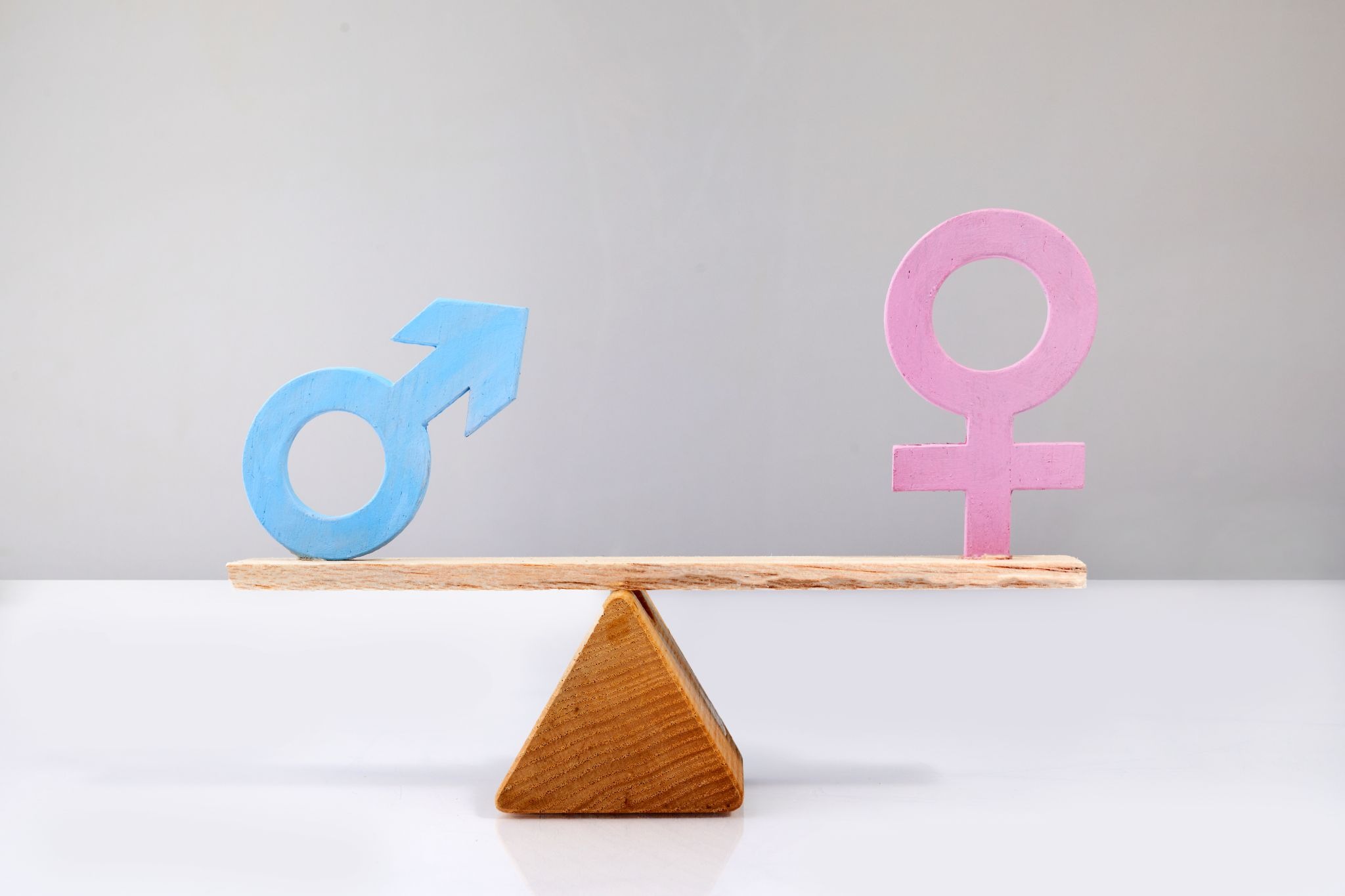
When a crisis strikes, it does not affect everyone in the same way. Conflict, disaster, and displacement often deepen existing inequality. Women and girls usually carry the heaviest burden, but men and boys also face risks shaped by gender roles. This is where Gender equality advocacy becomes essential.
Gender equality advocacy is not simply about fairness in theory. It is about protecting rights in the most fragile moments of human life. In humanitarian services, it guides how aid is designed, delivered, and measured. Without it, relief efforts can unintentionally reinforce the very inequalities they aim to reduce.
Understanding Gender Equality Advocacy
Gender equality advocacy refers to organized efforts that promote equal rights, responsibilities, and opportunities for all genders. It focuses on changing policies, systems, and social norms that create imbalance. In humanitarian contexts, it demands that emergency response be fair and responsive to different needs.
This form of advocacy draws strength from international human rights standards developed under the United Nations. These standards recognize equality as a legal obligation, not a favor. Advocacy groups use them to hold governments, agencies, and donors accountable for inclusive action.
At its heart, Gender equality advocacy is about voice and participation. It ensures that women and marginalized groups are not just recipients of aid but active decision makers. It pushes institutions to listen before acting and to design programs that reflect lived realities.
Gender Equality in Humanitarian Services
Humanitarian services aim to save lives and reduce suffering during emergencies. They include food distribution, shelter, medical care, water systems, and protection programs. Global coordination is often supported by the United Nations Office for the Coordination of Humanitarian Affairs, which works with governments and aid agencies to manage response efforts.
Crises expose deep gender gaps. In many regions, women have less access to land, income, and legal protection. When disaster hits, they may struggle to access relief supplies or health care. Girls are at higher risk of forced marriage or exploitation during displacement. At the same time, men may face pressure to take dangerous jobs or join armed groups because of rigid gender expectations.
A neutral approach to aid is not enough. If relief workers distribute supplies without asking who controls household decisions, assistance may not reach those most in need. Gender equality advocacy challenges the idea that one size fits all. It insists that aid be shaped by evidence about how different groups experience crisis.
Policy Frameworks and Global Commitments
International law provides a strong base for gender equality in humanitarian action. The Convention on the Elimination of All Forms of Discrimination Against Women, adopted by the United Nations, requires states to address discrimination in all areas of life. This obligation does not disappear during emergencies.
The global development agenda also reinforces this commitment. Sustainable Development Goal 5, promoted through the United Nations system, focuses on achieving gender equality and empowering women and girls. Humanitarian settings are closely linked to this goal because crises can reverse years of progress in education, health, and economic participation.
Institutions such as UN Women work to integrate gender priorities into emergency planning. They provide technical guidance, training, and research. Their efforts help ensure that Gender equality advocacy is not limited to policy documents but is reflected in field operations and funding decisions.
Operationalizing Gender Equality Advocacy
Turning principles into practice requires careful planning. The first step is gender analysis during needs assessments. Aid agencies must collect data separated by sex and age. They must ask who has access to resources and who makes decisions at home and in the community. This information shapes everything from camp design to food distribution schedules.
Protection is another key area. Gender based violence often increases during displacement. Crowded shelters and a lack of lighting can create unsafe conditions. Humanitarian programs must provide safe reporting channels and confidential support services. Local women-led organizations are often trusted by survivors and should be involved in planning and delivery.
Recovery efforts also matter. After the immediate crisis, communities begin to rebuild. Economic programs that provide cash or livelihood training must consider barriers faced by women, such as unpaid care work or restricted mobility. Gender equality advocacy ensures that recovery funds do not bypass half the population. It promotes education, skills training, and access to credit that strengthen long term resilience.
Intersectionality and Inclusive Advocacy
Gender does not exist in isolation. A woman with a disability may face different challenges than a woman without one. A displaced ethnic minority girl may experience layered discrimination. Effective advocacy recognizes these overlapping identities and addresses them directly.
Humanitarian standards are increasingly inclusive of diverse gender identities. This includes acknowledging the needs of non-binary and transgender individuals who may face stigma or violence in camps. Without deliberate action, they can be excluded from registration systems or safe shelter options.
Data gaps remain a serious concern. Many crisis settings lack reliable information about marginalized groups. Gender equality advocacy pushes for better research and community engagement. It calls for listening to those who are often ignored and designing programs that reflect their realities.
Challenges Facing Gender Equality Advocacy
Cultural resistance can slow progress. In some contexts, traditional norms limit women’s participation in public life. Humanitarian actors must work carefully with community leaders while upholding universal rights. This balance is delicate but necessary.
Funding is another obstacle. Gender focused initiatives are sometimes treated as secondary priorities. Short-term project cycles can lead to superficial compliance rather than meaningful change. Agencies may complete checklists without shifting power structures. Strong advocacy is needed to secure long-term investment and measurable outcomes.
Security risks also affect implementation. Female aid workers may face harassment or threats in conflict zones. Access to certain regions may be restricted by armed groups. Despite these challenges, the cost of ignoring inequality is far greater. Without attention to gender, aid efforts can deepen harm instead of reducing it.
Measuring Impact and Accountability
Accountability is central to credible humanitarian work. Tools such as gender markers help agencies assess whether projects address equality concerns. Monitoring systems track participation rates, access to services, and safety outcomes. These indicators reveal whether commitments translate into real change.
Community feedback mechanisms are equally important. Beneficiaries should have safe channels to report discrimination or abuse. Transparent reporting builds trust between aid providers and local populations. It also strengthens donor confidence in responsible spending.
Gender equality advocacy encourages learning and adaptation. Programs must be flexible enough to adjust when evidence shows gaps. Continuous evaluation ensures that good intentions lead to meaningful results rather than symbolic gestures.
The Strategic Importance of Gender Equality Advocacy
Humanitarian effectiveness depends on understanding social dynamics. When women participate in camp committees, water systems are often placed closer to homes, reducing safety risks. When men are engaged in discussions about equality, resistance can decrease and shared responsibility can grow. These outcomes are not accidental. They result from deliberate planning grounded in Gender equality advocacy.
There is also a link between equality and peace. Research shows that societies with higher levels of gender equality are less prone to conflict and more likely to sustain peace agreements. Women’s involvement in peace negotiations often leads to broader community support and stronger social protections. Humanitarian action that promotes equality can therefore contribute to long-term stability.
Beyond strategy lies an ethical duty. Humanitarian principles emphasize humanity, impartiality, and dignity. Ignoring systemic discrimination contradicts these values. Gender equality advocacy reminds agencies that saving lives is not enough. Protecting rights and dignity is equally important.
Conclusion
Crises test the strength of global commitments to justice. In emergency settings, inequalities become visible and often more severe. Gender equality advocacy provides a framework for responding with fairness and responsibility. It ensures that aid recognizes different needs, protects vulnerable groups, and supports inclusive recovery.
Humanitarian services that ignore gender dynamics risk reinforcing harmful norms. Those who embrace equality are more effective and more trusted by communities. As conflicts and climate-related disasters continue to affect millions, the role of Gender equality advocacy will only grow. It is not an optional add-on. It is a core pillar of ethical and effective humanitarian action.