
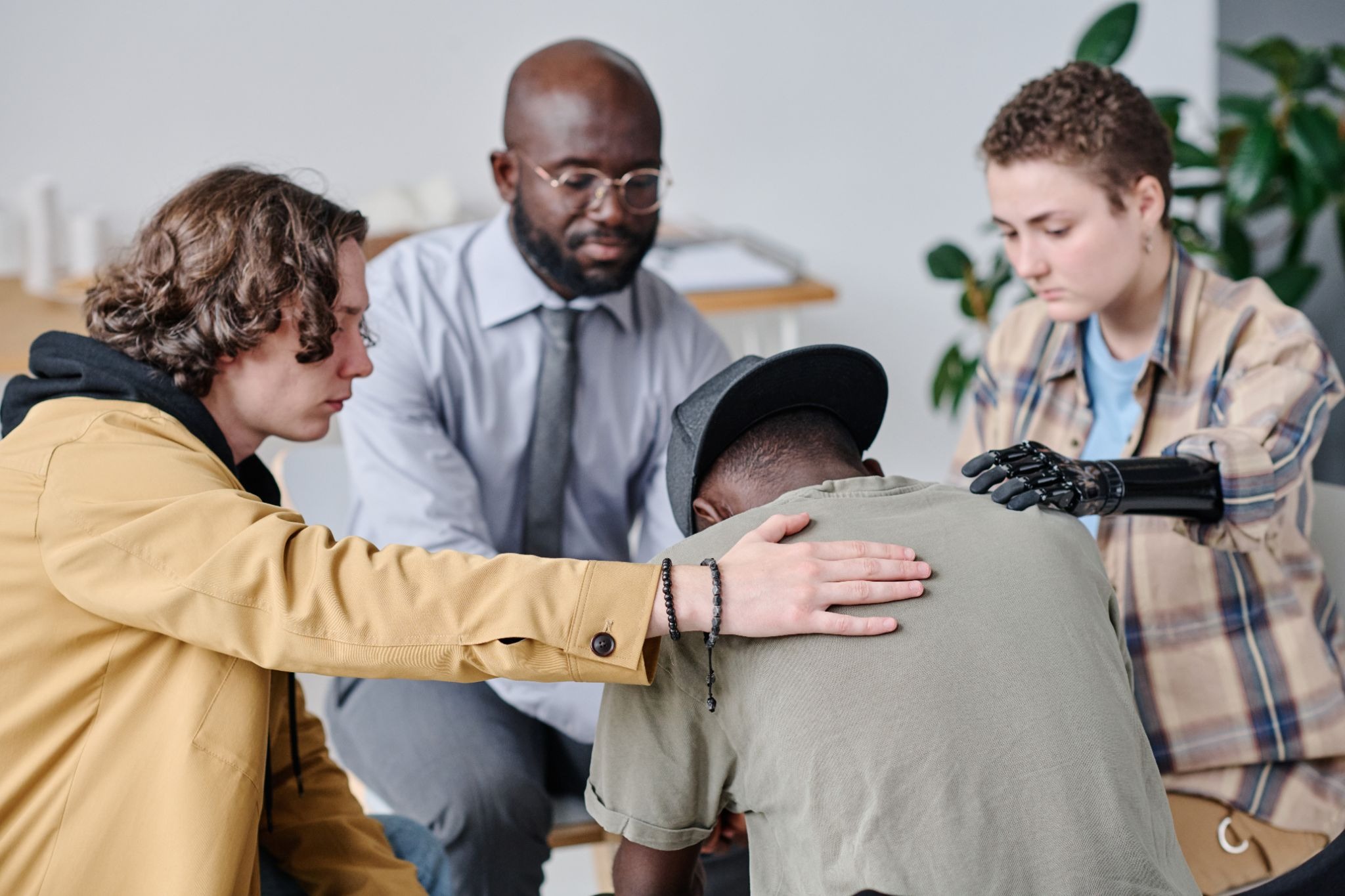
Trauma recovery support is a vital resource for those who have faced traumatic events. It encompasses various services and approaches that aim to help individuals heal from their experiences. Understanding what trauma recovery support entails is essential for survivors seeking relief and growth. This type of support is not just about addressing the immediate aftermath of trauma. It also focuses on the long-term journey toward healing and resilience.
The importance of trauma recovery support cannot be overstated. Survivors often carry deep emotional scars that can affect their daily lives. They may experience feelings of isolation, anxiety, or depression. Trauma recovery support provides a safe space for individuals to express their feelings and begin processing their experiences. This support can come in various forms, including therapy, support groups, and community resources. Each survivor’s journey is unique, and finding the right type of support is a crucial step toward healing.
Types of Trauma and Their Impact
Understanding the types of trauma is essential in recognizing how trauma recovery support can be tailored to individual needs. Trauma can be classified into two main categories: acute trauma and chronic trauma. Acute trauma typically results from a single distressing event, such as an accident or a natural disaster. On the other hand, chronic trauma involves repeated exposure to traumatic events, such as ongoing abuse or neglect. Each type of trauma can lead to different emotional and psychological responses, making personalized recovery support essential.
Common reactions to trauma can vary widely among individuals. Many survivors experience symptoms such as flashbacks, nightmares, or severe anxiety. Others may feel numb or disconnected from their emotions. Understanding these responses is a critical aspect of trauma recovery support. When survivors recognize that their feelings are valid and common, it can help reduce feelings of isolation. They can begin to understand that they are not alone in their experiences. This awareness fosters an environment where healing can truly begin.
Key Components of Effective Trauma Recovery Support
Effective trauma recovery support encompasses several key components that work together to facilitate healing. Emotional support is one of the most important aspects. Survivors often need a safe space to share their feelings and experiences without fear of judgment. This emotional validation can be incredibly powerful in helping individuals feel understood and accepted. When people know they are not alone, it can significantly ease their burden.
Another critical component is professional guidance. Therapists and counselors trained in trauma recovery can provide valuable tools and coping strategies. They can help survivors navigate their emotions and develop healthier responses to stress. Various therapy options, such as cognitive-behavioral therapy or eye movement desensitization and reprocessing, can be beneficial. Each approach can be tailored to suit the individual’s needs and preferences, enhancing the overall effectiveness of trauma recovery support.
Peer support groups are also a valuable resource within trauma recovery support. These groups allow survivors to connect with others who have shared similar experiences. Sharing stories and coping strategies can create a sense of community and belonging. It can also help reduce feelings of shame or isolation. Community resources, such as local organizations or online forums, further enhance support networks. Together, these components create a robust framework for healing.
Who Can Benefit from Trauma Recovery Support?
Many individuals can benefit from trauma recovery support, making it a vital resource for diverse populations. People experiencing post-traumatic stress disorder or anxiety are often in need of this support. These conditions can arise after experiencing or witnessing traumatic events. Access to trauma recovery support can help them manage their symptoms and improve their quality of life.
Survivors of abuse or violence also find immense value in trauma recovery support. Whether it is physical, emotional, or sexual abuse, the effects can be long-lasting. Trauma recovery support provides these survivors with a pathway to healing. It helps them reclaim their lives and build a future free from the shadows of their past.
Additionally, families and loved ones of trauma survivors can benefit from trauma recovery support. They often experience secondary trauma and may struggle to understand what their loved one is going through. Support for families can enhance communication and foster a supportive atmosphere. This understanding can create a healing environment that aids both the survivor and their loved ones.
Strategies for Accessing Trauma Recovery Support
Finding the right trauma recovery support can feel overwhelming, but several strategies can make the process easier. One of the first steps is to find a qualified therapist or counselor. It is important to seek out professionals who specialize in trauma recovery. Many mental health organizations provide directories of licensed providers. This can serve as a helpful starting point for those seeking support.
Exploring support groups can also be beneficial. Many communities offer local support groups, providing an opportunity to connect with others facing similar challenges. Online resources are another great option, especially for those who may feel more comfortable seeking support from home. Websites and forums dedicated to trauma recovery can provide a wealth of information and connection.
Taking the first step toward seeking trauma recovery support can be daunting, but it is an essential part of the healing journey. It is important to remember that everyone’s path to recovery is different. Finding the right combination of resources and support can lead to meaningful healing and growth.
The Role of Self-Care in Trauma Recovery
Self-care plays a significant role in trauma recovery support. Survivors need to prioritize their well-being as they navigate their healing journey. Mindfulness and relaxation techniques can be particularly helpful. These practices encourage individuals to stay present and grounded, reducing anxiety and promoting emotional regulation. Simple activities like deep breathing, meditation, or gentle yoga can make a significant difference in one’s emotional state.
Building a supportive environment at home is equally important. This includes surrounding oneself with compassionate people who understand the healing process. Creating a safe space where one can express emotions freely fosters healing. Encouraging open communication with friends and family can enhance this supportive environment. It helps survivors feel seen and heard, reinforcing the idea that they are not alone in their journey.
Self-care is not just about physical health; it also encompasses emotional and mental well-being. Engaging in hobbies, pursuing interests, and taking time for oneself are essential components of recovery. These practices can help restore a sense of normalcy and joy. They remind survivors that life can still hold meaning and happiness.
Long-Term Benefits of Trauma Recovery Support
The long-term benefits of trauma recovery support extend beyond immediate relief. Individuals who engage in trauma recovery support often experience improved mental health and overall well-being. They develop healthier coping strategies and learn to manage their emotions more effectively. This newfound resilience can significantly enhance their quality of life.
Building resilience is a vital aspect of the healing process. Survivors learn to face challenges with a renewed sense of strength. They become more equipped to handle stressors that may arise in the future. Trauma recovery support helps individuals find their voice and reclaim their narrative, empowering them to move forward confidently.
In addition to personal growth, trauma recovery support fosters a sense of community. Survivors often develop lasting connections with others who have shared similar experiences. These relationships can provide ongoing support, reminding individuals that they are not alone. The journey of healing is ongoing, and having a network of support can make all the difference.
Conclusion
Trauma recovery support is a vital resource for those who have experienced trauma. It offers a pathway to healing, resilience, and a brighter future. Each survivor’s journey is unique, and finding the right support is essential. Whether through professional guidance, peer support groups, or self-care practices, the opportunities for healing are abundant. If you or someone you know is navigating the aftermath of trauma, remember that support is available. Seeking help is a sign of strength, and it is never too late to start the healing process. Embracing trauma recovery support can open doors to new possibilities and a life filled with hope and connection.
FAQs
1. What is trauma recovery support?
Trauma recovery support includes various services helping survivors heal from traumatic experiences through emotional support, therapy, and community resources.
2. Who can benefit from trauma recovery support?
Individuals experiencing PTSD, survivors of abuse, and families of trauma survivors can all benefit significantly from trauma recovery support services.
3. How can I find trauma recovery support?
You can find trauma recovery support by searching for qualified therapists, local support groups, or online resources dedicated to trauma recovery.
4. What techniques are used in trauma recovery?
Common techniques in trauma recovery include therapy, mindfulness practices, and peer support groups, all aimed at fostering healing and resilience.
5. Why is self-care important in trauma recovery?
Self-care is vital in trauma recovery as it promotes emotional well-being, reduces stress, and helps survivors reconnect with themselves on their healing journey.